A squishy simulator treats a soft shape as a mesh of points joined by springs, with pressure inside that keeps its volume. When you press, the points move and the springs and pressure push back. When you let go, the shape settles at its own pace. It is a game built on a 3D simulation (CG), not a measurement of any real product.
What is a squishy simulator?
It is a small physics program that draws a soft object and lets you press it. Nothing in it is a photo or a scan of a real item. The shape, the color and the way it moves are all made by code, so every result you see is a simulation. If you are new to the objects themselves, start with what a squishy is.
What do the points, springs and pressure do?
The shape is made of points. Springs join neighboring points and push back when the distance between them changes. Pressure inside pushes outward when the shape is squeezed, so it keeps its volume instead of collapsing flat. Every frame, the program adds up those pushes and moves the points a little.
The animation below shows a flat, two-dimensional version first, then the same idea in 3D. The diagram is simplified on purpose.
Why do some shapes rise slowly and others bounce?
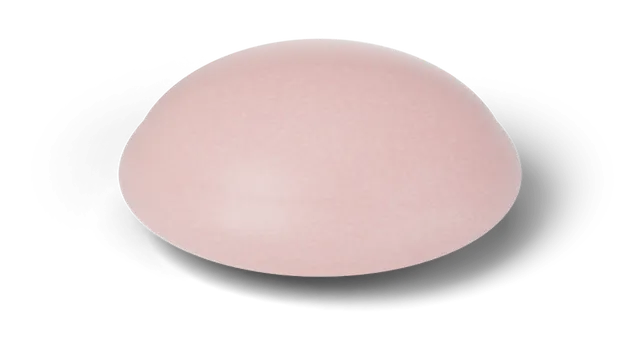
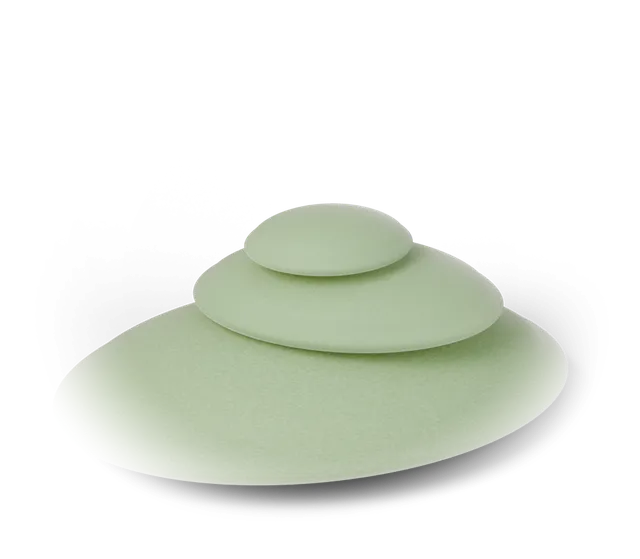
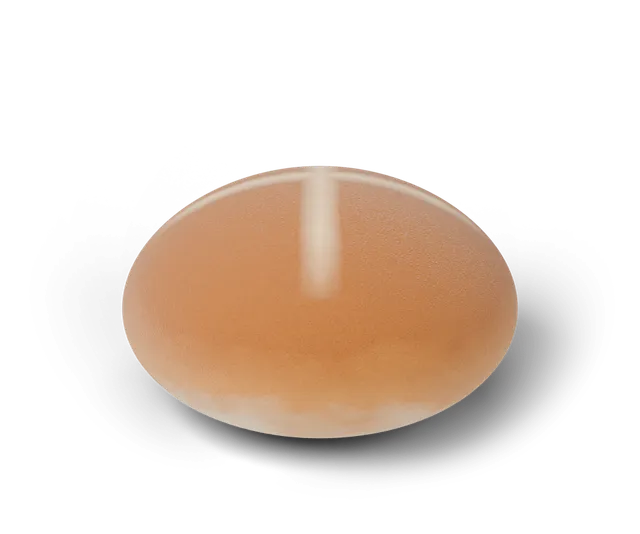
In a simulation, how a shape returns is a set of numbers we choose. Two matter most here. Damping takes energy out of the motion. A slow-rise memory lets the shape's resting form creep toward the dent while you hold, then recover gradually after you let go. The bun has heavy damping and a strong memory, so it rises slowly. The mochi is a little softer and recovers faster than the bun. The jelly has little damping and no memory, so it springs straight back and bounces. Those numbers belong to the game. They say nothing about how long a real squishy takes to recover, which varies from item to item. For how to compare real ones, see how to compare squishy feel.
How does the game use the simulation to time me?
The simulation does the soft part, and the game adds two clocks around it. The first measures how long you hold, and the game compares that with the day's target. The second is the rise watch on bun and mochi days: after you let go, the simulation tells the game when the shape has settled back up, and the game compares that moment with when you tapped.
That means the rise you are guessing is the simulated rise, set by the game's own settings, never the recovery time of a real product. The Daily Squish guide covers the ratings and the rest of the game.
Can I try it myself?
Yes. Daily Squish is a free browser game built on this simulation. Everyone gets the same shape and target for the day. Press and hold, let go when you think the time is right, and see how close you land.
Questions, answered
Is a squishy simulator the same as a physics test of a real squishy?
No. It is a game. Its numbers come from settings in the code and do not describe how any real item behaves.
Why is pressure needed in the simulation?
Without it, a squeezed shape would collapse flat. Pressure pushes back when the area shrinks, so the shape bulges out and looks like a soft, filled object.
Does it need a powerful phone or computer?
It needs a browser with WebGL. Where WebGL isn't available, the page shows a still image instead. We haven't published performance figures for specific devices.
What is the rise watch?
On bun and mochi days, a bonus step lets you tap when you think the shape has risen back up after you let go. The game compares your tap with how long its own simulation took to rise. It is about the simulation, not a real squishy.